World Caravans Guide
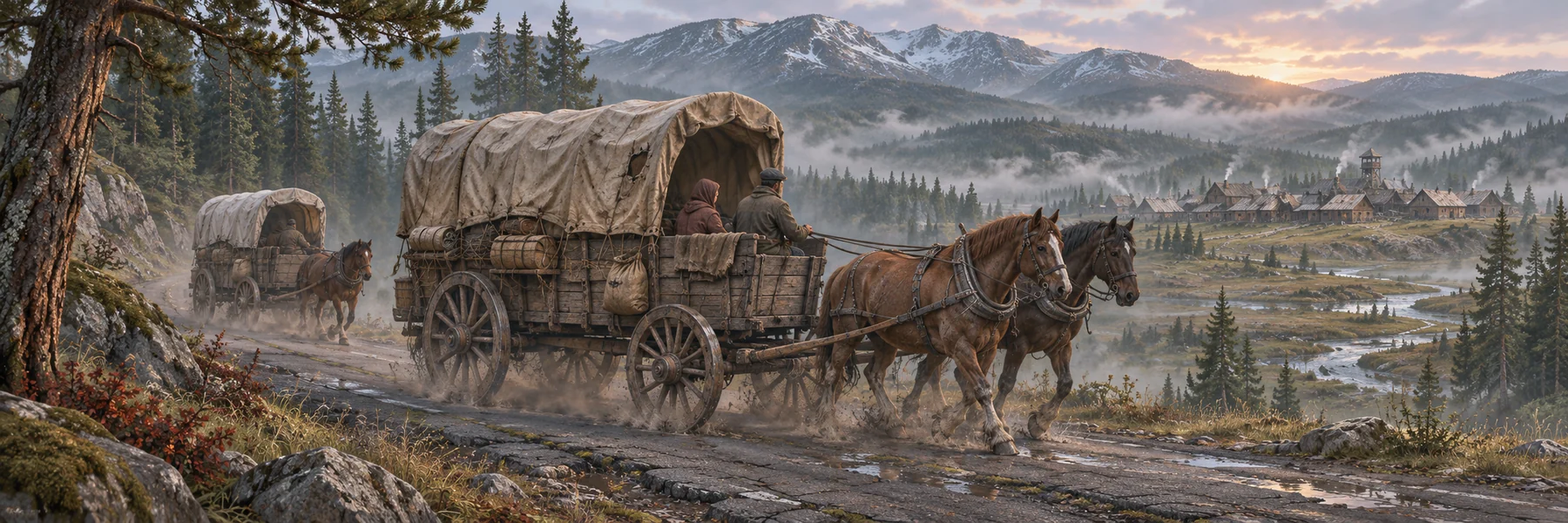
World caravans are moving opportunity nodes. They can provide trade relief, rumors, escort-style hooks, and route flexibility when fixed hubs are too predictable.
Caravan Facts
World caravans (on the map)
- Fixed-route caravans: 0.75 × the number of settlements (between 2 and 16). They travel between settlements.
- Roaming caravans: half that number (between 1 and 8).
- Spawning: new caravans appear every 4–16 hours.
| Interaction | Effect |
|---|---|
| Talk | A rumor, once per 24 hours |
| Trade | Barter; +1 caravan network reputation at most once per 12 hours |
| Ride along | 25 value to travel with them |
| Attack | Win: you take the cargo, but lose 12 settlement reputation (8 for roaming caravans) and 14 network reputation. Lose: −6 settlement (−4) and −6 network |
Your own caravan
- What it does: owning a caravan lets you travel between discovered settlements.
- Travel: 10 minutes per tile, with a fee of 0.5 value per tile. Reputation 250 / 501 / 751 gives a 10 / 15 / 20% discount.
- Events: each leg rolls one event:
| Event | Chance |
|---|---|
| Smooth | 40% |
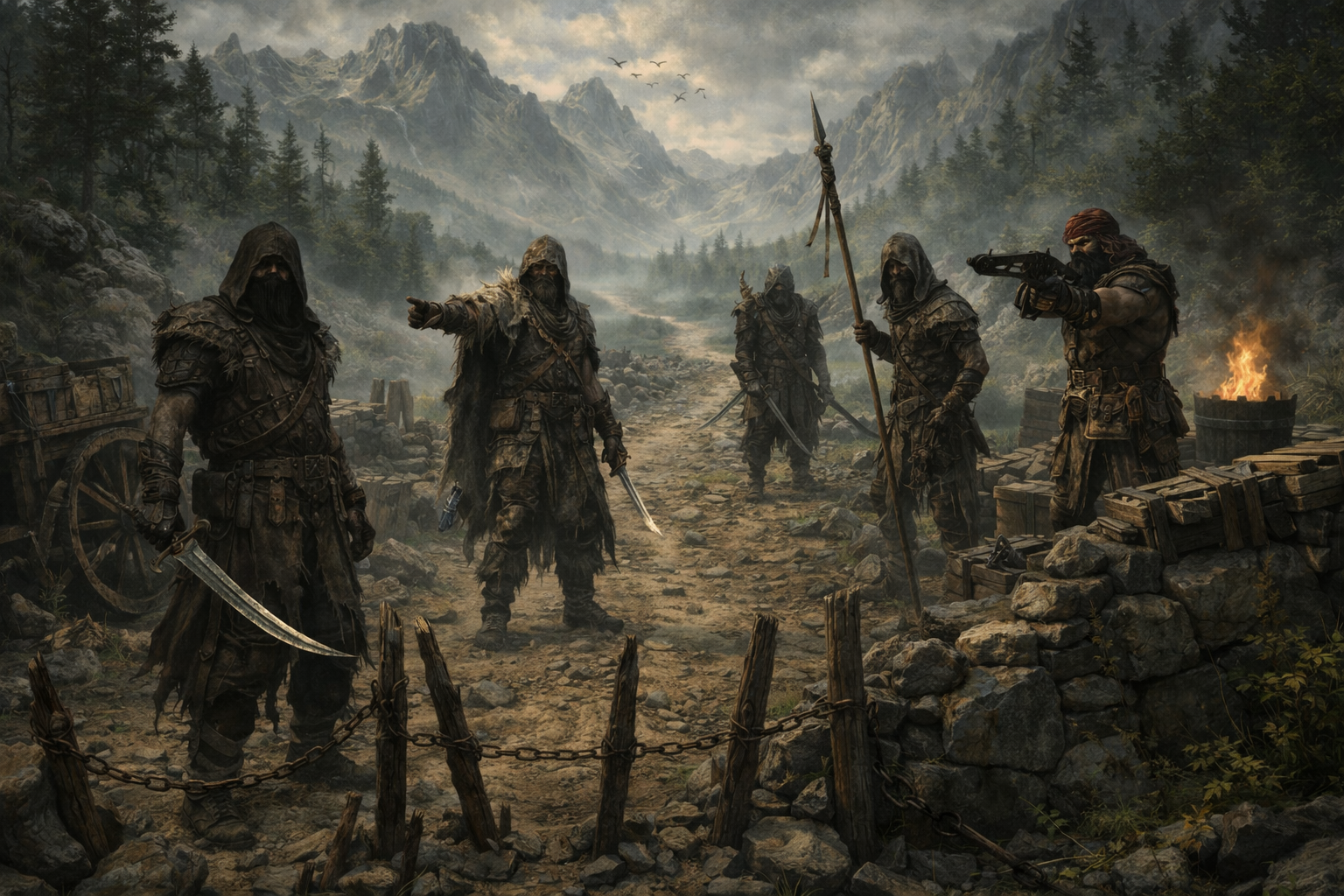
| Bandits | 15% |
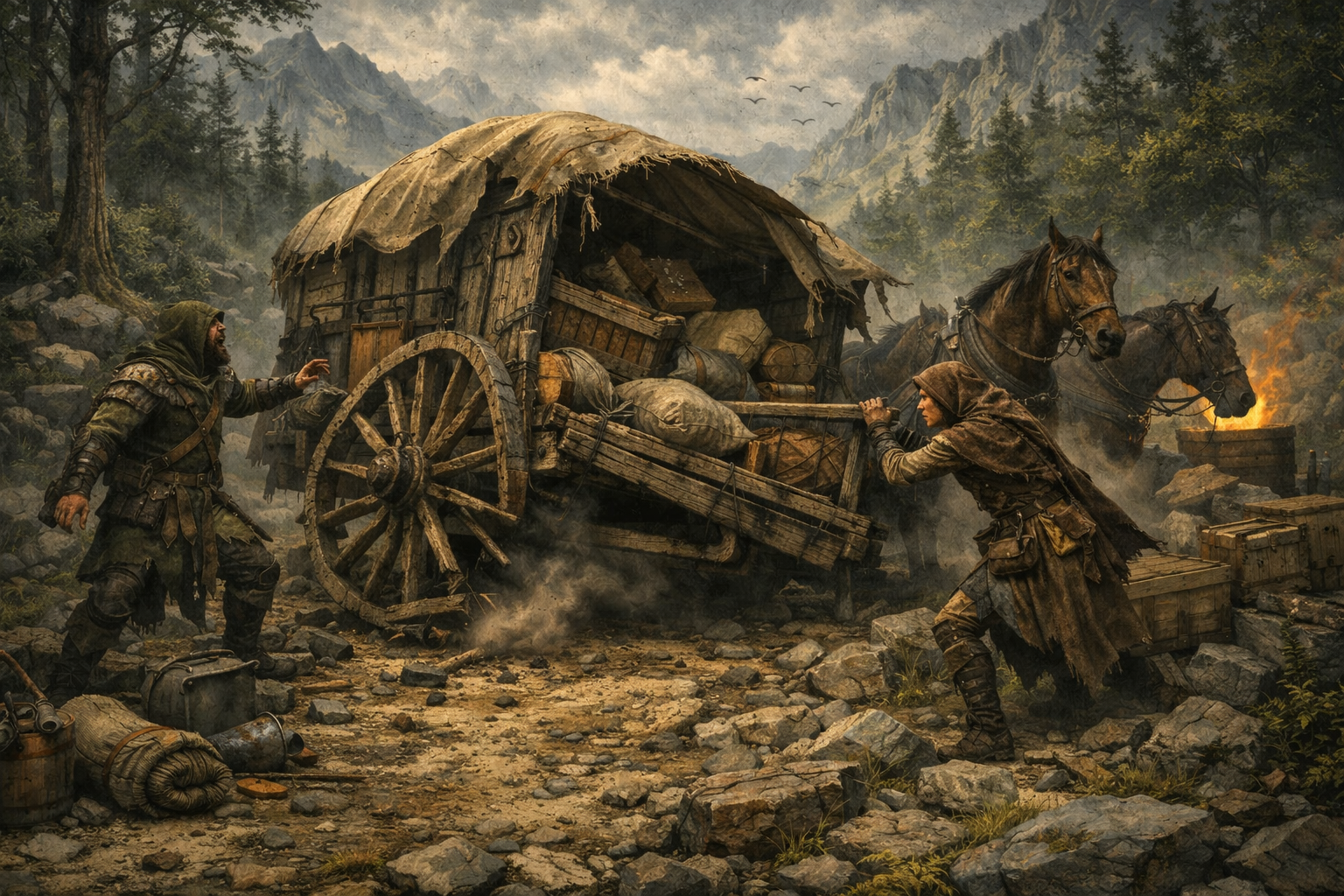
| Breakdown | 12% |
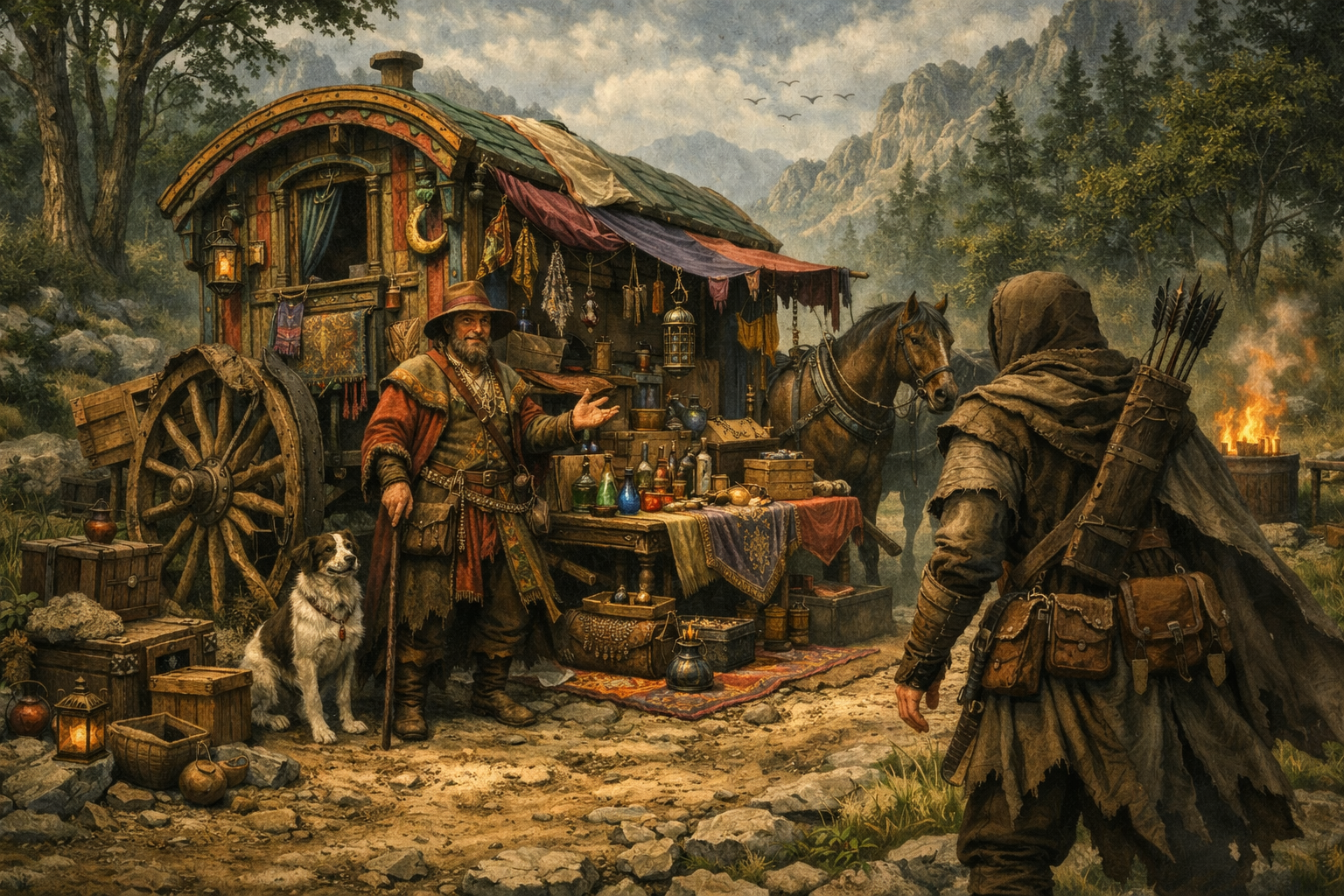
| Trader | 12% |
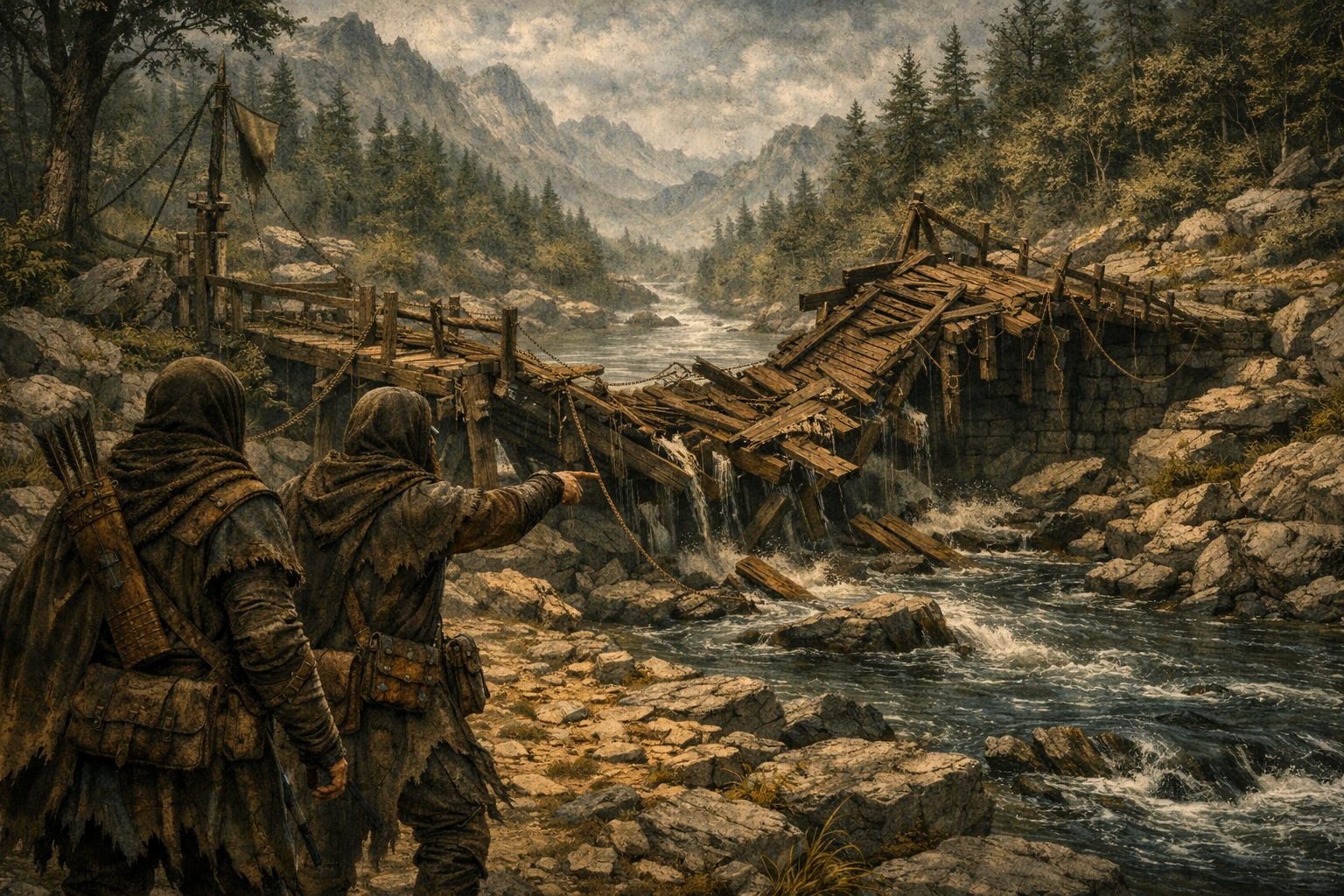
| Broken bridge | 8% |
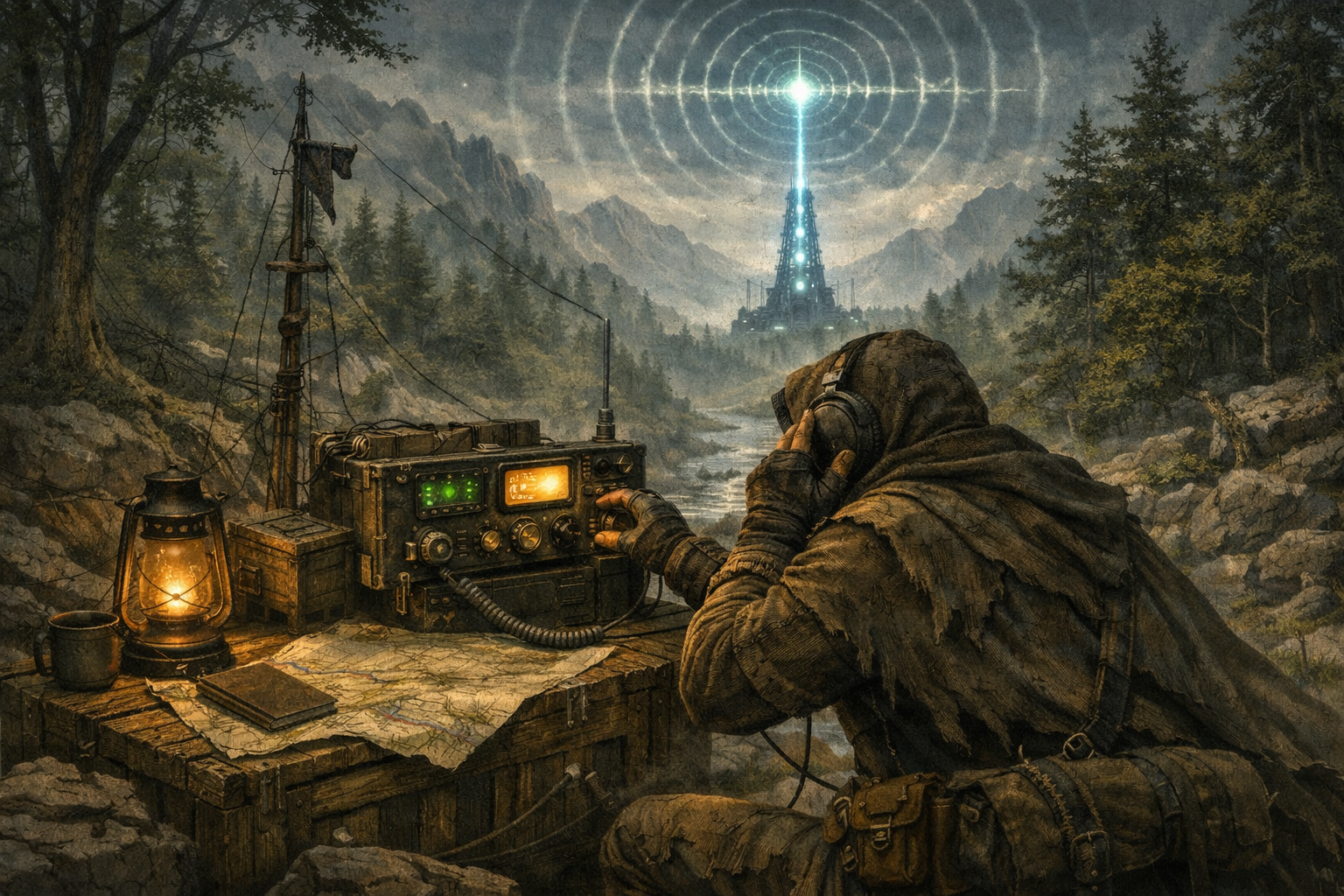
| Mysterious signal | 7% |
| Severe weather | 6% |
Any event other than smooth stops you partway along the leg.
- Needs: while you ride, hunger and thirst don't drain.
See also Road Encounters for caravans met on the road.
What the System Tracks
Caravan behavior includes:
- distinct caravan types and movement profiles,
- spawn delays and roaming lifetimes,
- interaction cooldowns (trade/rumor/escort windows),
- encounter fee and social consequence logic for aggressive actions.
In practice, caravans reward selective engagement, not constant chasing.
Cooldown-Aware Interaction Planning
Caravan actions use cooldown windows (roughly half-day to full-day scales depending on action type). If you revisit too soon expecting identical value, you waste travel time.
Best approach:
- interact with clear purpose,
- move to parallel objectives,
- return only after cooldown window and route value realign.
Best Caravan Use Cases
- patching specific supply gaps mid-expedition,
- obtaining rumor/intel support before risky commitments,
- converting excess trade goods into practical mobility value,
- bridging progression when settlement economy is temporarily weak.
Risk, Reputation, and Consequences
Hostile choices around caravans can carry social and economic fallout beyond the immediate encounter. If you use caravan systems to stabilize runs, protect that relationship capital.
Short-term loot from predatory play can reduce long-term network utility.
Route Integration Pattern
Treat caravans as optional bonuses on existing routes:
- do not detour blindly,
- engage when stop value exceeds travel cost,
- leave with a specific gain (supplies, intel, contract signal).
If you cannot name the gain before stopping, skip the stop.
Common Mistakes
- chasing every visible caravan marker,
- arriving with no flexible trade value,
- relying on caravans as primary sustain system,
- ignoring interaction cooldown pacing.
Practical Rule
Caravans are strongest as route multipliers, not route replacements.
Dynamic Road & Caravan Tactical Encounters
Traveling along major highways and caravan routes triggers narrative decision events that test player leadership, combat readiness, and repair skills.