Rafts and Lake Islands
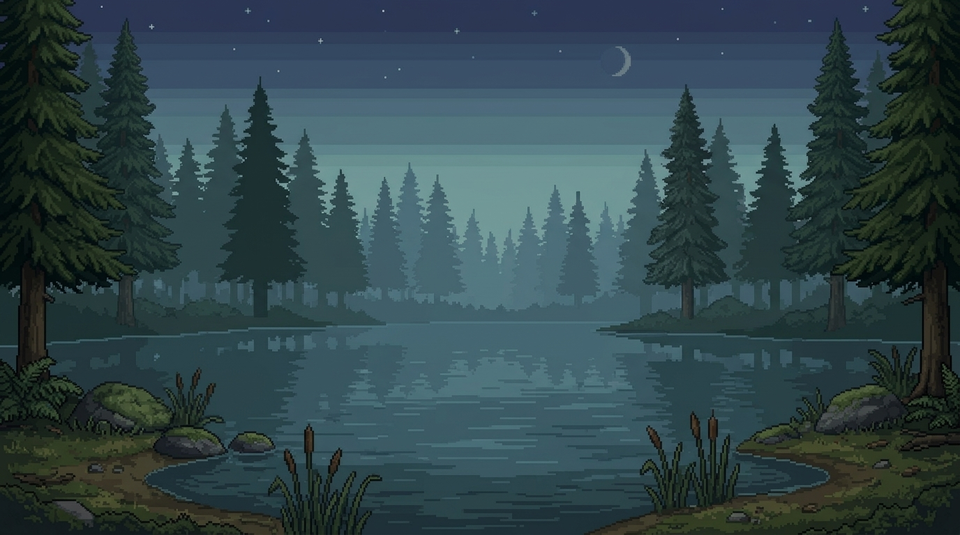
Lakes can't be crossed on foot. A raft lets you paddle across open water, fish offshore, lay fishing nets, carry cargo and reach lake islands.
See also Fishing, Travel & Networks and Crafting.
Building and repairing
Build a raft on a dry bank next to open water. Most raft work needs a saw.
| Recipe | Materials | Time | Notes |
|---|---|---|---|
| Wooden raft | 12 wood, 6 cordage, 2 tar | 6 h | Saw; hull condition 80–120, depending on craft quality |
| Wooden paddle | 2 wood, 1 cordage | 2 h | Saw; you need one to launch |
| Stone anchor | 3 stone, 2 cordage | 1 h | Raft upgrade; lets you anchor offshore |
| Raft fishing net | 2 wood, 2 reed fibers, 1 cordage | 3 h | Net quality depends on the craft |
| Restore broken raft | 8 wood, 4 cordage, 2 tar | 4 h | Saw; for wrecks found on shores |
| Repair raft | 2 wood, 1 cordage, 1 tar | 1 h | Saw; restores hull condition |
| Repair paddle | 1 wood, 1 cordage | 0.5 h | +30 paddle durability |
- Broken rafts: storm-damaged rafts appear as a point of interest on shore tiles. Restore the hull in the raft workshop to make one seaworthy.
- Dismantling: a beached, empty raft can be dismantled. You get back up to 40% of its materials, scaled by its condition.
Using a raft
| Action | Needs | Time |
|---|---|---|
| Board | Stand on dry land beside the raft; hold load at most 80 kg | – |
| Launch | Aboard, a usable paddle, a sound hull, hold ≤ 80 kg | 6 min |
| Paddle | Afloat; move one water cell at a time, or travel across the whole tile | See below |
| Anchor / Raise anchor | Afloat in open water with a stone anchor | 3 min |
| Moor | Next to a dry bank | 6 min |
| Disembark | Moored or beached | – |
| Beach | Disembark beside a moored raft, then haul it ashore | 12 min |
- Companions: your companion waits on the bank while you're on the raft, and rejoins you if you land on the same tile.
- Movement modes: boarding turns off running and stealth.
Paddling
- Time per step: the normal local travel time × 1.25, or ×1.25 again in shallows.
- Fatigue is higher with:
- more than 75% of the hold capacity used: ×1.25;
- a worn paddle (below 25%): ×1.15;
- shallows: ×1.25;
- a fractured or splinted arm: ×1.5.
- Wear:
- the paddle loses about 0.2 durability per hour;
- the hull loses 0.1 condition per hour, doubled in rough weather (strong wind or heavy rain).
- Warnings: you're warned when the paddle or hull drops below 25%. Travel stops if the paddle breaks or the hull fails.
- Blocked cells: land, frozen water and obstacles block movement.
- Ice: water freezes in deep winter (−2 °C or colder), during ice events and on frozen rivers.
Emergency return
If your paddle breaks, the hull fails or you get stuck, Emergency return takes you back to dry land:
- Route: it follows the path you paddled, or the nearest bank through known water.
- Cost: each step takes 3× the normal time, and your hunger, thirst and energy drop to a quarter of their current values.
- Result: the raft and its cargo are left moored beside dry land.
Raft hold
- Capacity: the raft has its own cargo hold of 80 kg.
- Moving cargo: you can store, take, unload onto the bank (when moored or beached) or discard items and resources.
- Paddle locker: keep spare paddles in the hold and pick which one is active.
Fishing from a raft
- Anchored offshore in open water: rod fishing gets +15 percentage points bite chance (max 95%).
- Moored: fishing follows the normal shore rules.
- Fishing nets:
- Lay a net from your anchored raft in open water.
- Wait 24 hours.
- Anchor over the net again to check it.
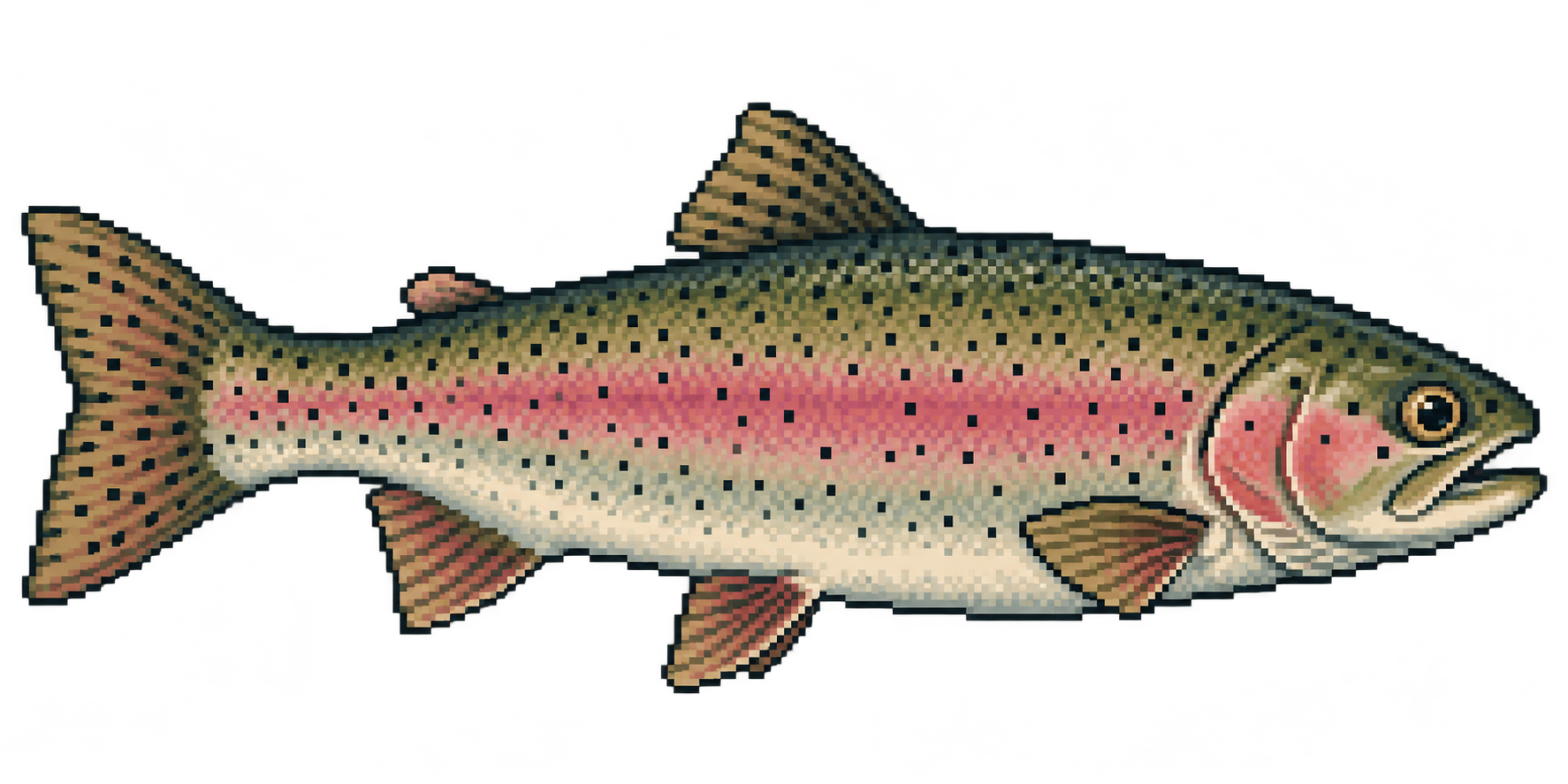
- Stock: each check can catch one fish from that spot's net stock.
- Tearing: each successful check has a 20% chance to tear the net. The catch can still be collected.
- Collect stored catches at any time.
Lake islands
- Number: each world has up to 10 lake islands.
- Terrain: an island copies the terrain and resources of a nearby biome (forest, plain, mountain or shore). It always has at least one tree, rock or bush to gather.
- Safety: on a lake island there are no predator contacts, NPC encounters, road events or biome events.
- Getting there: the only way to reach an island is by raft.
- Isolated scenario: the Isolated challenge scenario starts you on a lake island with a seaworthy raft and paddle waiting on its shore.