Stealth Guide
See also: Movement, Bandit Camps, Specializations.
Stealth is not just "move slowly." It is a detection-management system that lets you choose when fights happen.
Core Rules You Must Know
- Stealth and running are mutually exclusive.
- Entering stealth lowers your movement speed.
- Detection checks use multiple factors, not a single stat.
The system rewards deliberate route timing more than constant crouch-walking.
Stealth Facts
Toggling stealth- Running: entering stealth turns running off.
- Rafts: stealth can't be used on a raft.
- Profile: while active, your visibility drops to 50%, noise to 60% and movement detection to 70%.
| Effect | Stealth mode |
|---|---|
| World travel time | ×2 (half speed) |
| Fatigue per step | ×0.75 with stealth skill 20+ |
| Predator contact chance | ×0.65 |
| Road, rail and station encounter chance | ×0.82 |
| Evading road bandits | +8% (base 22% + 0.6% per stealth + 0.35% per tracking point, max 95%) |
| Bandit camp raids | 2 minutes per step; direct spotting chance ×0.8 |
| Pickpocketing in settlements | Your stealth skill is added to the roll |
| Stealing supplies | Noise reduced by up to 50% at stealth 100 |
- Stealth skill: improves all of these and has its own milestones (20 / 40 / 60 / 80) and specializations (Shadow, Infiltrator, Ghost).
- Bandit camps: spotting chance there also falls at night (×0.65) and in concealment (×0.75). See Bandit Camps.
How Detection Is Calculated (Player View)
Detection pressure starts from a base chance, then shifts by:
- Stealth skill & specialization: higher skill reduces detection range and movement noise.
- Agility: -2% detection chance per point above 3, enabling quieter foot placement.
- Fatigue & auditory footprint: fast running and heavy/metal gear generate loud noise pulses; controlled pacing minimizes sound.
- Weather & lighting: heavy rain/storms reduce NPC visibility (
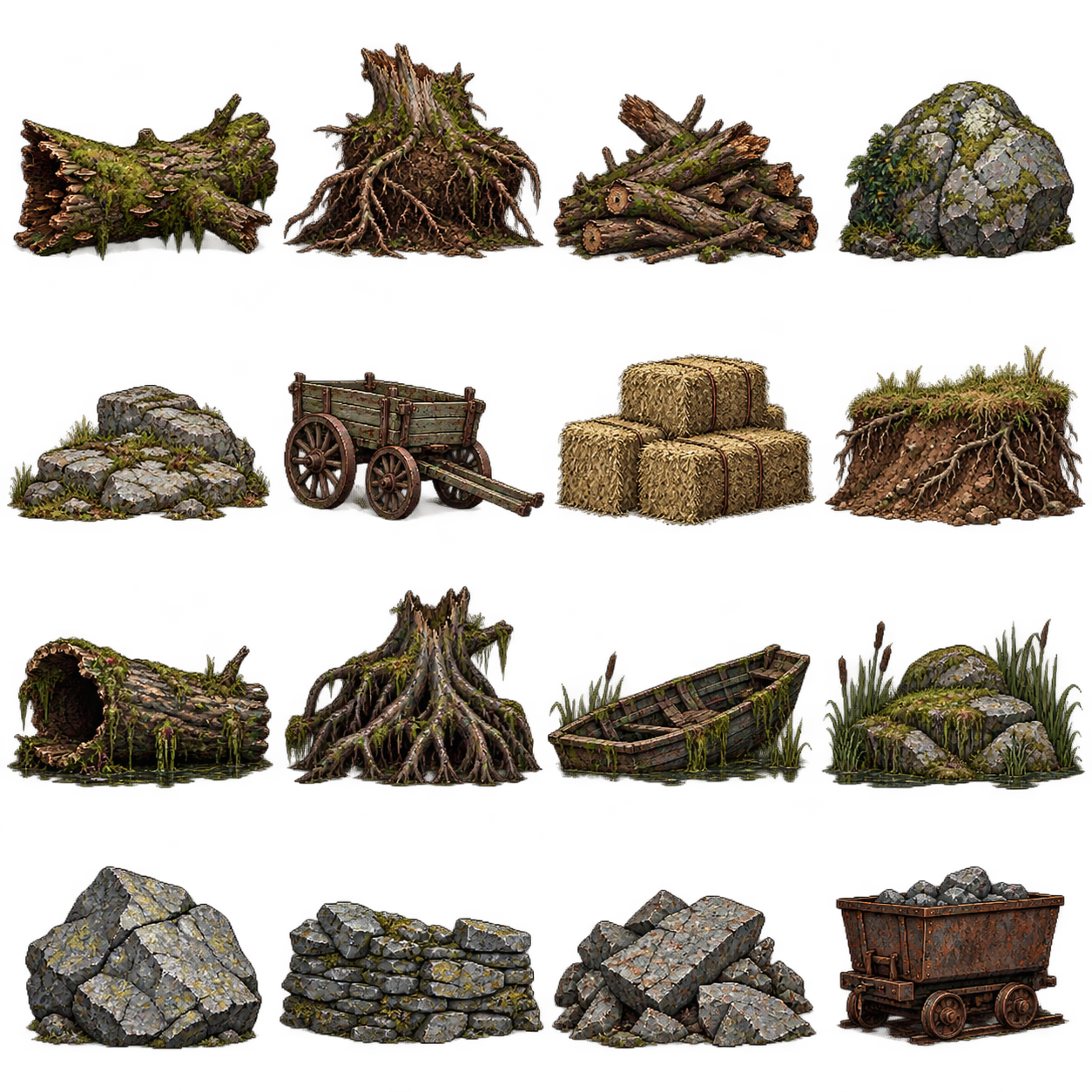
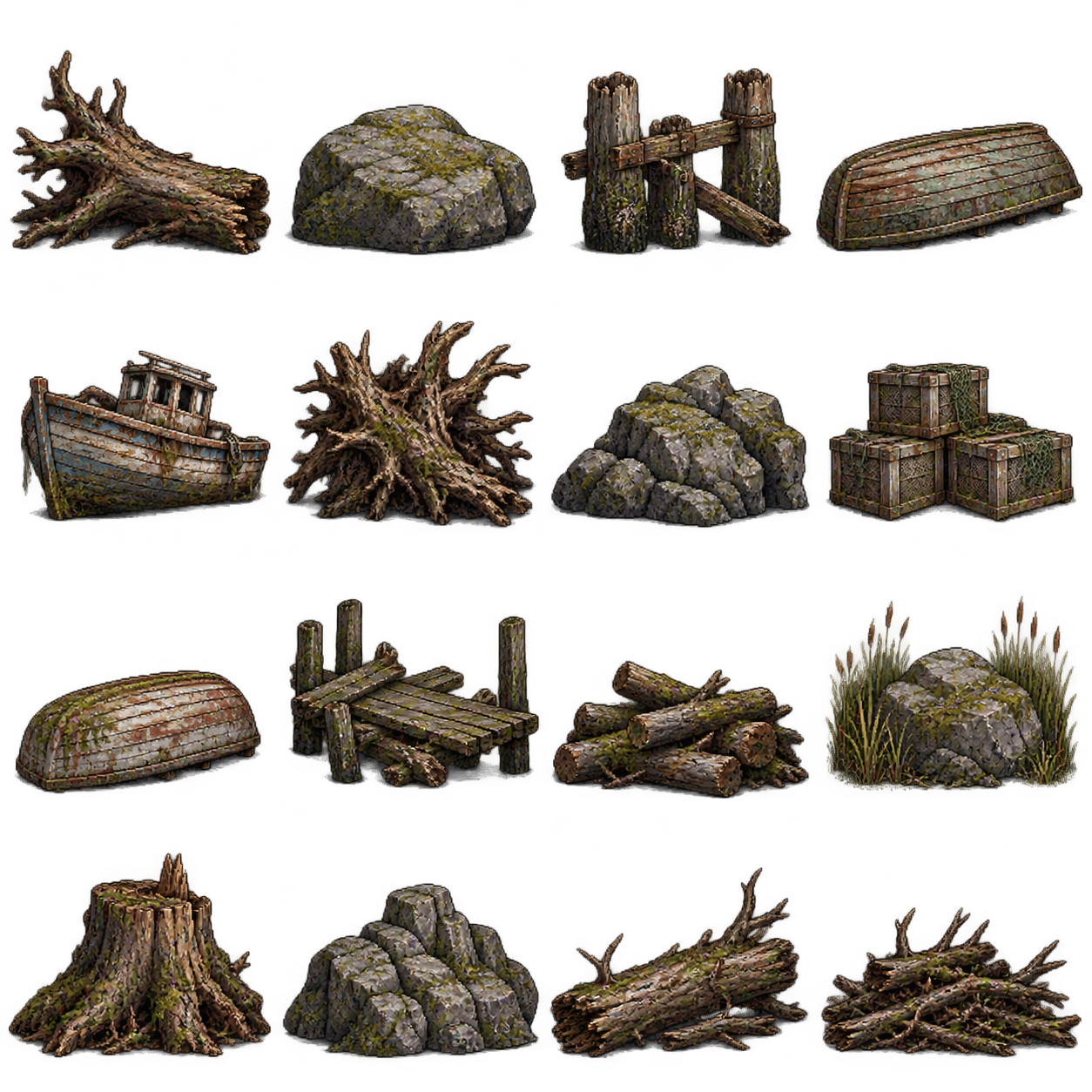
×0.7) and thunder masks noise; night substantially reduces visual detection range unless enemies carry lights. - Terrain cover: Forest and Ruins provide +25–30% concealment cover (dense foliage and rubble mask silhouettes and footsteps), while Plains and Roads offer no natural cover.
- Movement mode: stealth vs. normal walking vs. running.
In rough weather and wooded/ruined terrain, stealth gets noticeably stronger. In clear, dry, open-ground movement, it gets weaker.
Best Times to Toggle Stealth
Use stealth for:
- entering unknown hostile tiles,
- bypassing optional fights while overloaded,
- scouting points of interest before committing,
- retreating after high-noise actions.
Drop stealth for:
- already-secured lanes,
- low-threat travel corridors,
- urgent extraction where speed matters more than concealment.
Stamina and Fatigue Discipline
Stealth works best with controlled fatigue. If stamina management collapses, noise/detection risk trends upward and your "safe approach" becomes a slow exposed approach.
Practical rule:
- recover before risky crossings,
- stealth through threat cone,
- sprint only after breaking contact window.
Stealth Route Pattern (Recommended)
- approach objective in stealth,
- stop and evaluate threats,
- loot/act with shortest exposure path,
- exfil through alternate lane,
- switch mode only after risk drops.
This pattern prevents the classic "safe entry, chaotic exit" failure.
High-Value Pairings
Stealth pairs well with:
- high-value caravan/quest cargo runs,
- low-health recovery travel,
- bounty setups where first strike control matters,
- weather windows that reduce visibility.
Common Mistakes
- staying stealthed on totally safe roads (time loss),
- sprinting into hostile fog-of-war then trying to recover late,
- treating stealth as combat power instead of combat avoidance,
- ignoring fatigue before precision infiltration.
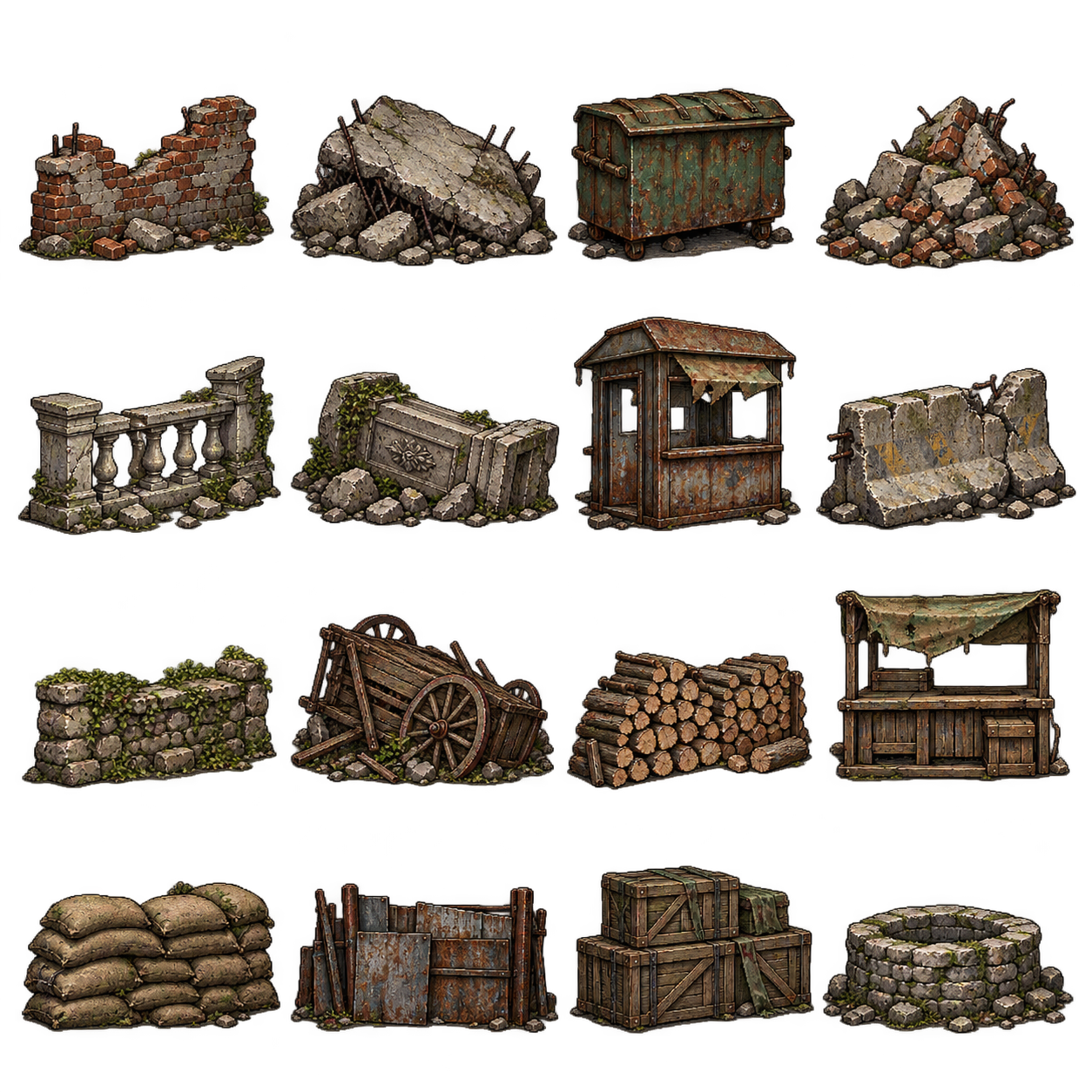
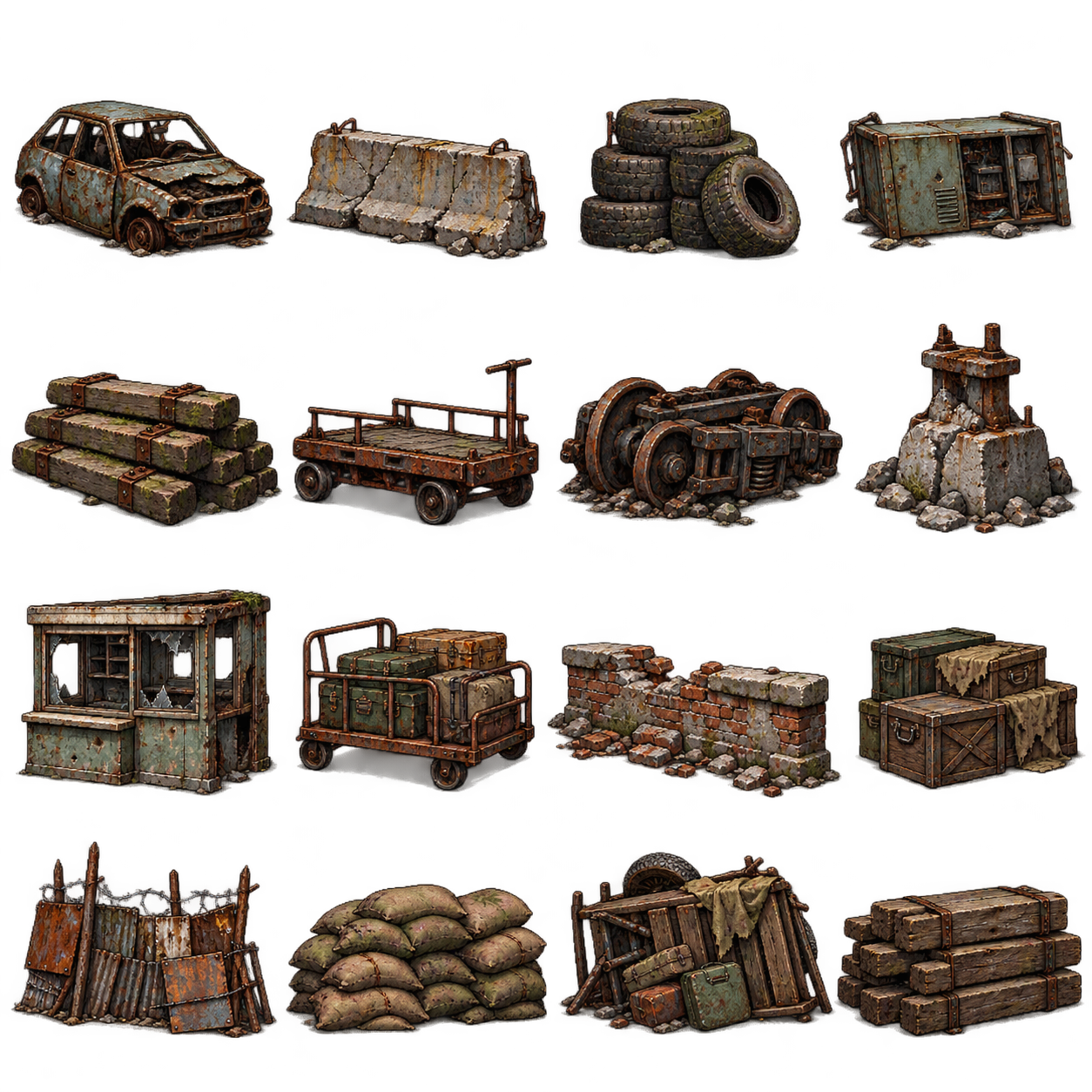
Tactical Battlefield Cover Environments
Combat maneuvers rely on position and terrain cover. Moving between cover types alters enemy hit chance, flanking exposure, and ricochet protection.